🎣 Check out our universal aluminum bases

How to Catch and Prepare Skipjack for Catfish Bait
Skipjack bait spoke
Use this guide to catch, cut, freeze, store, and fish skipjack without turning bait prep into guesswork.
- Catch bait where current and bait movement are active.
- Cut skipjack around target fish, rig, and current.
- Keep storage and product links behind the fishing workflow.
Learning how to catch and prepare skipjack starts before the first catfish bait is cut. Skipjack works because it gives catfish scent, oil, profile, and a natural river-food signal, but it only helps when the bait is legal, fresh or stored well, cut to the right size, and matched to the rig and target fish.
Why skipjack belongs in the bait plan
Skipjack herring can be a core catfish bait on rivers where anglers can catch and use it legally. It can fish fresh, frozen, in chunks, strips, heads, or smaller pieces, but the bait should match the fish and presentation. A bait that is too big for the rig, too soft from poor storage, or too far from the feeding lane is not automatically better because it is skipjack.
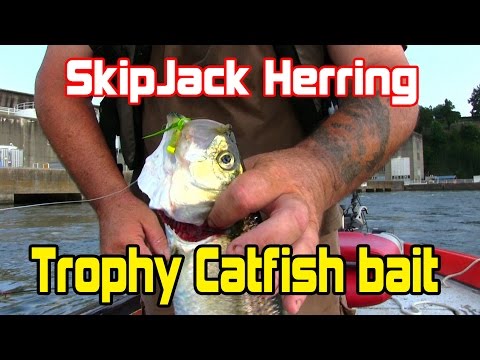
Catch skipjack where bait is active
Skipjack fishing is its own task. Look for current, bait movement, and active fish instead of assuming every shoreline or discharge fishes the same. When they are slow to bite, change cadence, lure size, location, or current angle before wasting the whole bait-catching window.


Cut skipjack for the fish, not just the hook
Head or large chunk
Best useBig blue-cat or trophy-fish presentation where current can move scent.
Rigging noteUse hook size and leader strength that keep the bait exposed without spinning.
Body chunk
Best useGeneral river cut-bait presentation for anchored or controlled setups.
Rigging noteMatch the sinker and leader to current so the bait does not roll out of the lane.
Strip bait
Best useWhen profile and flutter matter more than bulk.
Rigging noteKeep the strip from fouling the hook or wrapping around the leader.
Small piece
Best useChannel-cat or light-current situation where a huge bait is too much.
Rigging noteDo not hide the point or bury the bait in too much hardware.
Frozen bait
Best useBackup bait when fresh skipjack is not available.
Rigging noteThaw only what you need and keep texture, scent, and storage quality in mind.
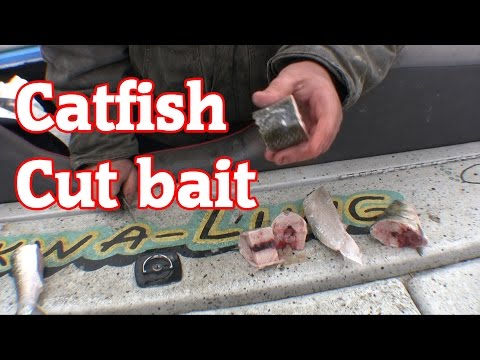
Freeze and store skipjack without wasting bait
Storage should protect scent and texture. Separate bait into useful trip-size portions, keep it cold, label it clearly, and avoid thawing more than the day needs. If the bait turns soft, freezer-burned, or messy enough that it cannot stay on the hook, the storage method is costing bites before the rig ever reaches the river.
Match skipjack to river rigs and season
Skipjack is bait, not a complete system. Use Best Catfish Rigs for Rivers to match piece size to three-way sliders, double-hook rigs, floating rigs, no-snag rigs, walking bait, and drift presentations. Use River Structure and Boat-Control Tactics for Trophy Catfish when the bigger problem is current lane or boat position, and use Winter Catfishing Patterns for Blue Cats and Flatheads when cold water changes soak time and bait speed.
When several cut baits are soaking, stable rod holders can keep the spread organized. If skipjack is aimed at trophy fish, HydroWeb landing nets belong in the landing workflow, but the product decision should follow the bait, rig, and fish-care problem.
Where this skipjack spoke fits
- For the full bait and rigging hub, read Catfish Bait and Rigging Guide.
- For river-rig selection, read Best Catfish Rigs for Rivers.
- For current and boat position, read River Structure and Boat-Control Tactics for Trophy Catfish.
- For cold-water bait decisions, read Winter Catfishing Patterns for Blue Cats and Flatheads.
Use skipjack with a plan
How to catch and prepare skipjack is a practical workflow: find active bait, keep it fresh, cut it for the target fish, store it without ruining texture, and rig it so the bait fishes naturally. Do those pieces well and skipjack becomes part of the river plan instead of a random bait choice.