🎣 Check out our universal aluminum bases


Great Lakes Salmon Trolling Rod Holder Setup
Setup guide
Use this guide to choose a holder, base, rack, or boat setup plan from the fishing problem first.
- Start with the fishing style and mounting surface.
- Compare product paths only after the setup problem is clear.
- Keep rod reach, line angle, and deck movement easy to scan.
Great Lakes salmon trolling rod holder setup starts with repeatable rod position, spread management, and a clear net lane. The guide should explain the trolling problem before recommending any base or holder path.
Videos
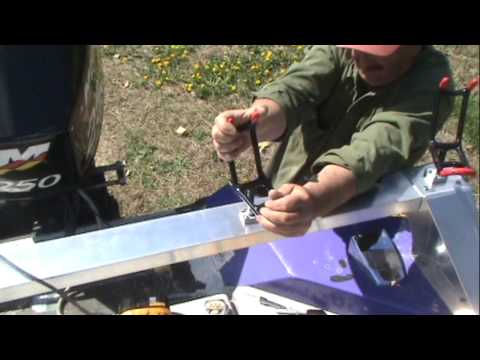
Setup
Keep the first resource high-level: rod angle, planer-board lanes, downrigger or diver clearance, net reach, and deck movement. Do not pretend one layout covers every Great Lakes boat, port, or spread.
What makes this setup different
The Great Lakes salmon page should read like a trolling-spread article: planer boards, divers, downriggers, waves, turns, a crew clearing lines, and the net lane all compete for space. Keep that traffic in the article before naming hardware.
Start with a repeatable big-water spread
A Great Lakes salmon trolling rod holder setup has to keep rods repeatable across long passes, turns, and changing crews. The article should focus on spread control before naming products because the wrong holder position can create tangles or block the net lane.
Planer boards, divers, downriggers, and flat lines all occupy different lanes. A useful setup guide explains the lane first, then shows how holder angle and base placement help the crew reset rods without disrupting the rest of the spread.
Leave a clear path for crew movement
Great Lakes trolling can involve several people moving around the boat at the same time. Rod holders should not block the driver, net person, cooler access, or the path from the rod to the back of the boat.
This is where racks, T-bars, and track-style base decisions become practical. The product path should help organize the spread while leaving the crew room to fight a fish, clear another line, and net safely.
Stage the landing net before the bite
Salmon and steelhead can be lost in the last few feet if the net is buried under gear or the rod spread blocks the landing angle. The net lane should be part of the rod-holder conversation, not an afterthought.
HydroWeb landing net links fit best after the copy explains fish size, boat-side movement, and where the net will be staged. That makes the net a workflow recommendation instead of a random add-on.
Planer-board trolling
Setup decisionRods need repeatable angles and enough spread to keep lines separated.
Product pathRod holders, bases, and racks/T-bars after the boat layout is known.
Downrigger or diver spread
Setup decisionRod placement must leave room for cables, divers, netting, and crew movement.
Product pathBase and rack recommendations need photos or field notes.
Big-water landing
Setup decisionThe net lane should be planned before the fish is near the boat.
Product pathHydroWeb landing nets after the landing workflow is described.
Products to consider after the setup is clear
Use product links as practical next steps, not as generic shopping blocks. The mounting surface, rod angle, legal rod count, landing lane, and fishing method should decide which path belongs in the final article.
For Great Lakes salmon and steelhead, rod holders, bases, racks/T-bars, Double Duty 55, Versa Track-style mounting paths, and HydroWeb landing nets should be discussed as spread-control and landing-workflow tools.
Common setup mistakes to avoid
- Promising one universal Great Lakes layout for every boat, port, and trolling method.
- Adding rod positions without preserving downrigger, diver, planer-board, and net clearance.
- Linking landing nets before explaining where the net person stands and how the fish reaches the boat.
Fish care, rules, and local judgment
Salmon and steelhead content should connect HydroWeb landing nets to the landing workflow after explaining fish size, boat-side traffic, and where the net will be staged.
Related species reading and videos
Use these Monster Rod Holders posts and videos when the reader needs a related setup, regional, tournament, bank, rack, or landing workflow before choosing gear.
Regional guides for this species
Use these regional guides when this species is part of the local fishery or trip plan. Confirm rules, access, water level, and day-of conditions before setting rod counts or copying a spread.
FAQ
How many holders belong in a salmon trolling spread?
Use only as many holder positions as the crew can manage legally and safely. The spread should keep each rod lane clear and preserve enough room to fight, clear, and net fish.
Do Great Lakes salmon boats need racks or track mounts?
They can help when the boat runs a wider trolling spread, but the article should verify the mounting surface, clearance, and crew movement before steering readers toward racks, T-bars, or track-mounted bases.
Where this guide fits in Learn
Use this resource with Learn, Gear Guidance, Fishing Guides, and Tournament Calendars when the reader needs species-specific setup guidance before buying gear.