🎣 Check out our universal aluminum bases


Crappie Rod Holder Setup
Setup guide
Use this guide to choose a holder, base, rack, or boat setup plan from the fishing problem first.
- Start with the fishing style and mounting surface.
- Compare product paths only after the setup problem is clear.
- Keep rod reach, line angle, and deck movement easy to scan.
Crappie rod holder setup is about organization, reach, and legal rod count more than heavy-fish power. Small boats, pontoons, and family fishing layouts need holders placed where lines can be watched without blocking movement.
Videos
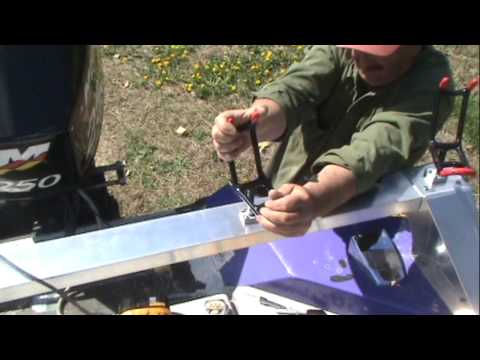
Setup
Start with the boat and the rule set. Spider-rigging style layouts can need careful spacing, but beginner and family trips often work better with fewer rods that are easier to watch, reach, and clear around docks, brush, or other anglers.
What makes this setup different
Crappie setup content should stay lighter and more organized than the trophy-catfish pages. The useful detail is bite visibility around brush, docks, bridge pilings, pontoons, jon boats, kids or guests, and legal rod counts before a spider-rig style spread gets bigger.
Keep the first crappie spread easy to watch
A crappie rod holder setup should make light bites easier to see, not just increase the number of rods in the boat. Before building a spider-rigging style spread, decide where the angler will sit, where each rod tip can be seen, and how fast a hooked fish can be cleared.
For beginners, families, and casual panfish trips, fewer rods often produce a cleaner setup. A simple layout helps kids or guests understand which rod is theirs, keeps hooks away from walkways, and leaves room for tackle, coolers, and a small landing net.
Choose mounts around the small-boat platform
Crappie boats, jon boats, pontoons, and dock-side utility boats all create different mounting problems. A jon boat may need a gunwale-friendly path, while a pontoon setup may start with rail size, seat position, and whether the rods block a gate or walkway.
The page should send readers toward bases only after the platform is clear. That keeps a light-tackle article from becoming a generic product list and makes the final recommendation easier to trust.
Make multi-rod layouts legal and manageable
Crappie and panfish rules vary by state, lake, and season. The article should talk about multi-rod organization without promising that any specific spread is legal everywhere.
When a larger spread is allowed and practical, keep the rods in a pattern the angler can clear quickly around brush, docks, bridge pilings, standing timber, or other boats. The best setup is the one that can be managed calmly when several small fish bite at once.
Spider-rigging style layout
Setup decisionMultiple rods need to be visible without creating a tangle or blocking the front deck.
Product pathRacks/T-bars and bases only where the boat layout and local rules support the spread.
Small jon boat
Setup decisionRod holders must stay reachable without crowding seats, coolers, or tackle.
Product pathJon boat and gunwale-style base checks before product recommendation.
Pontoon or family setup
Setup decisionThe setup should be easy to supervise and keep walkways clear.
Product pathPontoon rail/base guidance after rail size and clearance are known.
Products to consider after the setup is clear
Use product links as practical next steps, not as generic shopping blocks. The mounting surface, rod angle, legal rod count, landing lane, and fishing method should decide which path belongs in the final article.
For crappie, rod holders and bases should be introduced as organization tools first. Racks/T-bars, Jon Boat Gunwale Base, and Pontoon Square Rail Base links belong where the copy explains the platform, legal rod count, and reachable rod pattern.
Common setup mistakes to avoid
- Building a multi-rod spread before checking local rod-count rules.
- Mounting holders where rods block seats, gates, tackle storage, or family walkways.
- Using a heavy-fish product explanation when the real problem is light-bite visibility and organization.
Fish care, rules, and local judgment
Crappie and panfish copy should keep fish-care advice simple: keep the deck clear, net or hand-land appropriately, and check local creel and rod-count rules before copying any multi-rod layout.
Related species reading and videos
Use these Monster Rod Holders posts and videos when the reader needs a related setup, regional, tournament, bank, rack, or landing workflow before choosing gear.
Regional guides for this species
Use these regional guides when this species is part of the local fishery or trip plan. Confirm rules, access, water level, and day-of conditions before setting rod counts or copying a spread.
FAQ
How many rod holders does a crappie boat need?
Start with the number of rods the angler can legally use and comfortably watch. A clean two- to four-rod layout is better than a larger spread that blocks movement or creates tangles.
Can a pontoon use a crappie rod holder setup?
Yes, but rail shape, gate location, seating, and passenger movement matter. The safest article path is to choose the fishing position first, then match the base to the actual pontoon rail and clearance.
Where this guide fits in Learn
Use this resource with Learn, Gear Guidance, Fishing Guides, and Tournament Calendars when the reader needs species-specific setup guidance before buying gear.