🎣 Check out our universal aluminum bases


Walleye Fishing Rod Holder Setup
Setup guide
Use this guide to choose a holder, base, rack, or boat setup plan from the fishing problem first.
- Start with the fishing style and mounting surface.
- Compare product paths only after the setup problem is clear.
- Keep rod reach, line angle, and deck movement easy to scan.
Walleye fishing rod holder setup starts with boat control and rod spread before product choice. Trolling, drifting, and river-current fishing all need rods positioned where lines stay separated and the angler can reach the bite cleanly.
Videos
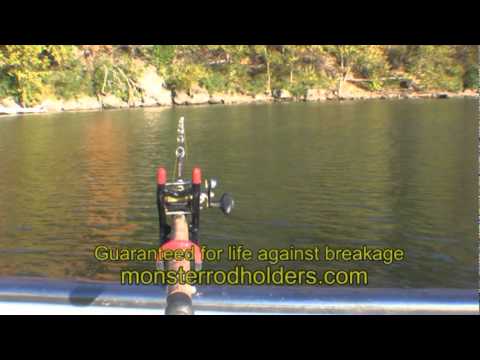
Setup
Start with the method: planer boards or trolling passes need separation and repeatable angles, drifting needs rods reachable while the boat moves with current or wind, and river sauger/saugeye setups need clean line lanes without cluttering the deck.
What makes this setup different
The walleye page should feel like a placement conversation, not a catfish article with the fish name swapped. Keep planer boards, bottom bouncers, crawler harnesses, river sauger drifts, and track-measurement proof in view so the reader understands why the holder angle and base choice matter.
Plan the trolling lane before adding more rods
Most walleye trolling problems start when rod position, lure depth, and boat turns are treated as separate decisions. The holder angle should make the spread repeatable enough that the same board, crankbait, crawler harness, or bottom-bouncer lane can be reset without guessing.
On a small inland boat, that may mean two to four clean holder positions with room to net a fish. On a bigger boat, it may mean a track, rack, or T-bar path that keeps outside rods away from inside rods and gives the driver enough clearance to turn without crossing lines. Either way, same-day local rod-count rules and access come before product choice.
Drifting and river sauger setups need reach
Drifting for walleye, sauger, or saugeye is different from a long trolling pass. The boat may slide with current, wind, or electric-motor speed, and the angler needs to watch light bites while still clearing lines around other rods.
Put the first holders where the angler naturally stands or sits while controlling the boat. If a rod has to be reached over a seat, cooler, tackle bag, or net handle, the layout may look good at the dock but fail when a fish bites in current.
Use track evidence as a placement check
Lund SportTrak and similar track or gunnel systems are useful evidence because they make the owner identify the actual mounting channel before choosing a holder. Treat that evidence as a placement and measurement prompt, not as a universal MRH fit claim.
For walleye trolling, the safe article angle is rod position: side spread, turn clearance, board or bait lane, and the path to the landing net. If the boat needs a dedicated downrigger or trolling-tree system, say that plainly instead of implying MRH holders replace specialist hardware.
Match bases to the boat after the fishing path is clear
The right base depends on the boat more than the fish name. Track boats, aluminum gunwales, pontoons, and open utility boats all need different mounting checks before a rod holder recommendation is useful.
Use the fishing method to decide the first layout, then match the mounting surface to rod-holder bases, racks, T-bars, or a HydroWeb landing net path. That order keeps the article practical and avoids overbuying hardware that does not solve the main spread problem.
Trolling spread
Setup decisionKeep rods separated and repeatable so lure depth and board lines stay organized.
Product pathRod holders, rod-holder bases, racks/T-bars, and a landing net staged before the pass.
Lund or track-equipped boat
Setup decisionConfirm the exact channel, profile, hardware, and owner photos before naming a base.
Product pathRod-holder bases and rack paths only after track fit and stock are checked.
River drifting
Setup decisionKeep rod tips visible while the boat moves with current, wind, or controlled electric-motor speed.
Product pathRod holders and bases chosen after the rail, track, or gunwale is identified.
Mixed sauger/saugeye trips
Setup decisionUse compact layouts that leave space for vertical jigging, netting, and moving around the boat.
Product pathHolder paths should support reach and deck movement before adding more rods.
Products to consider after the setup is clear
Use product links as practical next steps, not as generic shopping blocks. The mounting surface, rod angle, legal rod count, landing lane, and fishing method should decide which path belongs in the final article.
For walleye, product links should move from the layout to the mount: rod holders for secure angles, rod-holder bases for the actual rail or track, racks/T-bars for organized trolling spreads, and HydroWeb landing nets after the landing lane is planned.
Common setup mistakes to avoid
- Copying a big trolling spread before confirming local rod-count rules and the boat layout.
- Putting holders where the rod is secure but hard to reach during a bite.
- Adding racks before checking whether turns, netting, and planer-board resets stay clear.
- Treating Lund SportTrak, VersaTrack, or another track-system mention as a universal fit claim instead of a measurement and proof request.
Fish care, rules, and local judgment
Walleye, sauger, and saugeye pages can mention landing nets after the article explains fish control, boat traffic, and where the net will be staged. Keep legal length, harvest, and rod-limit reminders general and point readers to local rules.
Related species reading and videos
Use these Monster Rod Holders posts and videos when the reader needs a related setup, regional, tournament, bank, rack, or landing workflow before choosing gear.
Regional guides for this species
Use these regional guides when this species is part of the local fishery or trip plan. Confirm rules, access, water level, and day-of conditions before setting rod counts or copying a spread.
FAQ
What rod-holder angle works best for walleye trolling?
Use a repeatable angle that keeps the line lane clear, keeps the rod tip visible, and lets the angler remove the rod without fighting the holder. The exact angle depends on the lure path, board or diver setup, and boat layout.
Do walleye anglers need racks or individual holders?
Individual holders can be enough for simple drifting or two-rod trolling. Racks and T-bars make more sense when the boat runs a wider spread and the mounting surface can support repeatable, organized rod positions.
Where this guide fits in Learn
Use this resource with Learn, Gear Guidance, Fishing Guides, and Tournament Calendars when the reader needs species-specific setup guidance before buying gear.